Whimsy Font: A Playful Display for Creative Projects
As a designer working on a small business branding project, I often look for fonts that add personality without overwhelming the design. Whimsy Font immediately caught my attention with its playful, hand-drawn charm. It feels like a breath of fresh air in a world dominated by rigid typography. This display font is ideal for projects that need a touch of fun and whimsy, especially when the goal is to connect emotionally with an audience.
The First Impression: Whimsy’s Visual Mood
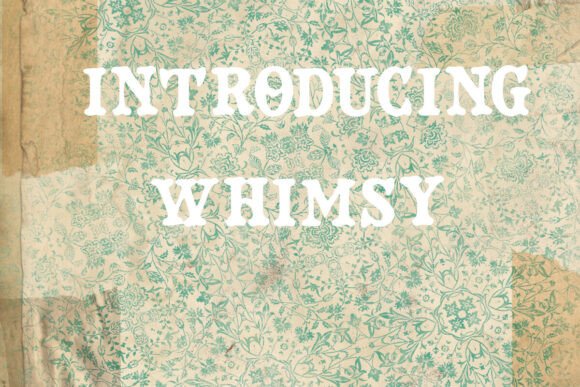
Whimsy exudes a sense of lightheartedness and creativity. Its uneven strokes and subtle flourishes give it a handmade feel, making it perfect for brands that want to feel approachable and authentic. The font has a soft, almost scribbled aesthetic that works well for designs targeting younger audiences or businesses with a crafty, artisanal vibe. It’s not the kind of font you’d use for a corporate logo, but for a boutique product line or a seasonal campaign, it can be a game-changer.
When I first saw Whimsy, I imagined it on a t-shirt design for a local coffee shop or as a tagline for a handmade jewelry brand. The font’s character makes it stand out in a crowd, which is exactly what you want for a unique visual identity.
Real-World Applications of Whimsy
Whimsy shines in a variety of creative contexts. In logo design, it adds a personal touch that can make a brand feel more human. For brand identity, it can be used as a secondary font to complement a more structured primary typeface. When designing product labels or packaging, Whimsy brings a sense of charm that can elevate a simple item into something memorable.
In social media graphics, it’s a great choice for eye-catching headlines or captions. On posters, flyers, and invitations, it adds a decorative flair that draws attention without being distracting. For sticker design or printable wall art, Whimsy can be the focal point of the composition, giving it a custom, handcrafted feel.
It also works well in digital ads, Pinterest pins, and Instagram posts where visual interest is key. When paired with bold colors or illustrative elements, Whimsy becomes a powerful tool for storytelling and emotional engagement.
Where Whimsy Excels
Whimsy is best suited for large layout areas where its personality can shine. Hero graphics, product mockups, and themed collections benefit from its expressive style. As a decorative accent, it can add visual interest to packaging details, campaign visuals, or printable designs.
For a small business launching a new line of eco-friendly products, Whimsy could be used in the main headline of a marketing email or as part of a social media graphic. It’s also a strong choice for a Canva template or Cricut project, where its playful nature can inspire DIY creators and crafters.
Where to Use Whimsy Carefully
While Whimsy is versatile, it’s not a one-size-fits-all solution. In small sizes, such as on a business card or a tiny label, the font can become difficult to read. Crowded layouts may also dilute its impact, making it less effective as a focal point.
On complex backgrounds or low-contrast designs, Whimsy might not perform as well. It’s better suited for clean, minimalistic spaces where it can take center stage. For professional corporate materials or minimalist branding, a more structured font would be more appropriate.
If the goal is to maintain a very clean visual hierarchy, Whimsy should be used sparingly. It’s best reserved for elements that don’t require strict readability, such as headings, titles, or decorative accents.
Impact on Readability and Brand Consistency
Readability is a crucial factor in any design project, and Whimsy requires careful consideration. While it’s easy to read at larger sizes, smaller text may lose clarity. Designers should test it in black and white to ensure it maintains its legibility across different mediums.
When used consistently, Whimsy can help reinforce brand identity. It adds a distinct personality that can differentiate a brand from competitors. However, it’s important to balance it with other typographic elements to avoid overuse.
Emotionally, Whimsy evokes a sense of fun and creativity, which can enhance audience engagement. For a handmade business or a small Etsy shop, this emotional appeal can be a powerful tool in building customer loyalty and recognition.
Practical Designer Notes
Before using Whimsy for a client project, there are several practical steps to take. Test the font in various contexts—on light and dark backgrounds, at different sizes, and in real-world mockups. Check the file formats to ensure they meet your needs, whether you're working on a digital product, a print-on-demand item, or a commercial design.
If the font includes PNG or SVG files, inspect the transparency and editability to ensure they work within your workflow. Compare it with other font styles, such as serif, sans serif, or script fonts, to see how it fits into your overall design strategy.
Always confirm the commercial license before using Whimsy for a client or business project. This ensures that you’re compliant with usage rights and avoids potential legal issues down the line.
Conclusion: A Whimsical Addition to Your Design Toolkit
Whimsy Font is a standout display typeface that brings a sense of playfulness and charm to any project. It’s ideal for designers looking to create a unique visual identity for a handmade business, a seasonal campaign, or a creative marketplace product. Its versatility makes it a valuable addition to any design asset collection.
Whether you're working on a t-shirt design, a Canva template, or a product mockup, Whimsy can help elevate your creative work with its expressive style. Just remember to use it thoughtfully and test it thoroughly to ensure it meets the needs of your project and your clients.