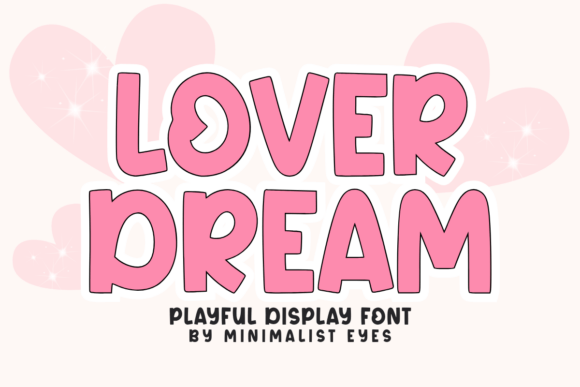
Lover Dream: A Whimsical Embroidery Font
As a designer who’s spent years working with machine embroidery designs, I’ve seen my fair share of fonts that try to be flashy but fall flat in real use. Lover Dream is one that caught my eye for its playful, bubbly aesthetic. But does it hold up when stitched onto fabric? Let’s break it down.
The First Impression: Joyful and Whimsical
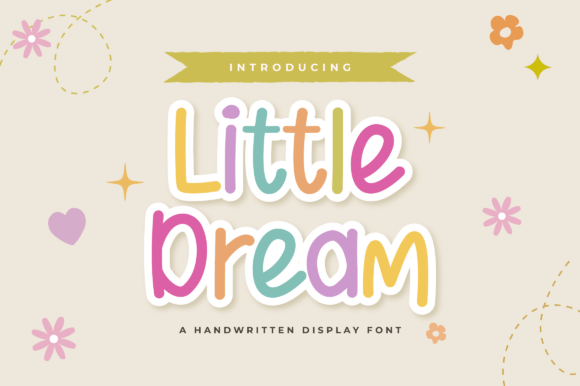
Lover Dream immediately gives off a sense of fun. Its soft, rounded edges and slightly exaggerated curves make it feel like something you’d see on a children’s book or a handmade greeting card. The font has a “bubbly” personality that feels light and approachable, perfect for projects aimed at a younger audience or those looking to add a touch of charm to their work.
It’s not the kind of font you’d use for a formal business logo, but for personalized gifts, baby items, or holiday decorations, it shines. The design has a unique visual rhythm that makes it stand out without being overwhelming.
Real-Life Use: Where Lover Dream Fits Best
I tested Lover Dream on a custom embroidered tote bag for a client who wanted something cheerful for her boutique. The design worked well on a cotton canvas, where the soft curves didn’t get lost in the texture. It also looked great on a sweatshirt, where the bubbly letters added a friendly, handcrafted feel.
For baby items, like onesies or burp cloths, Lover Dream adds a sweet, whimsical touch that parents would appreciate. It also pairs well with applique designs, where the rounded shapes can be easily stitched with satin or fill stitches.
One thing to note is that the font works best on larger hoop sizes. Smaller hoops might struggle with the intricate details, especially in the corners of letters like “O” or “B.” If you’re planning to use it on a cap or a hat, be prepared to adjust your hoop size accordingly.
Where to Be Cautious: Limitations and Challenges
While Lover Dream is visually appealing, it’s not without its limitations. On thin or stretchy fabrics, the design can look a bit distorted, especially if the stabilizer isn’t properly applied. Dark fabrics may also pose a challenge, as the soft outlines might not show up as clearly as they do on lighter backgrounds.
For products that require frequent washing, like tea towels or pillow covers, the stitch density needs to be checked carefully. Too much saturation in the fill areas could cause the design to pucker or lose definition over time.
Additionally, if you’re using Lover Dream for layered garments or curved surfaces, like a baseball cap, you’ll need to ensure the design is centered properly. The bubbly style doesn’t always translate well to tight curves, so some tweaking might be necessary.
Impact on Visual Appeal and Customer Perception
When it comes to visual appeal, Lover Dream adds a unique flair that can elevate a simple product into something more memorable. It’s perfect for handmade products that aim to stand out on Etsy or at craft fairs. Customers often respond positively to designs that feel personal and creative, and this font definitely fits that bill.
From a commercial standpoint, using Lover Dream can help build brand consistency, especially if your shop has a whimsical or playful theme. It also enhances the giftability of your products, making them more attractive as personalized gifts for birthdays, weddings, or holidays.
However, it’s important to remember that not every project will benefit from this font. If you’re aiming for a more professional or minimalist look, Lover Dream might not be the right choice. Always consider the target audience and the overall aesthetic of your brand before finalizing a design.
Practical Designer Notes: Testing and Preparation
Before committing to any embroidery project, I always recommend testing the design on scrap fabric first. This helps you see how the font looks in different thread colors and fabric textures. For Lover Dream, I found that using a darker thread on a light background gave the best contrast, while a lighter thread on dark fabric made the design less visible.
Stitch density is another factor to consider. Lover Dream has a lot of detail, so you may need to adjust the fill stitches to prevent the design from becoming too dense. Proper stabilizer is also essential, especially on stretchy or thin fabrics.
If you’re planning to sell finished products or digital files, make sure to check the licensing terms. While the font itself is likely suitable for commercial use, it’s always good to confirm before moving forward.
Final Thoughts: A Fun Addition to Your Design Toolkit
Lover Dream is a font that brings joy and personality to any embroidery project. It’s ideal for small businesses, Etsy sellers, and crafters looking to add a whimsical touch to their work. However, it’s not a one-size-fits-all solution.
If you’re designing for baby items, personalized gifts, or holiday merchandise, Lover Dream can be a valuable addition to your collection. Just be mindful of the limitations and test it thoroughly before using it in a final product.
Overall, it’s a font that feels like it was made for real-world use, not just for show. And that’s exactly what makes it worth considering for your next embroidery project.