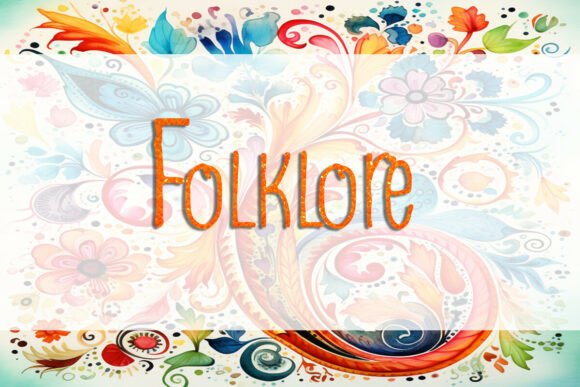
Folklore Font Review
As an embroidery designer and product reviewer, I’ve seen my fair share of fonts. But Folklore stands out for its organic charm and versatility. It’s the kind of design that feels like it was hand-drawn, with a warm, approachable vibe that fits both casual and intentional projects.
The First Impression
Folklore immediately evokes a sense of nostalgia and simplicity. Its rounded edges and slightly uneven strokes give it a handmade feel, which is perfect for embroidered items that aim to feel personal and authentic. The font has a rustic quality that doesn’t scream “machine-made,” making it ideal for products that lean into the handmade aesthetic.
Its layout is clean but not overly rigid, allowing for flexibility in different applications. Whether you’re working on a custom tote bag or a baby onesie, Folklore adapts well without losing its character.
Real-World Embroidery Use Cases
I tested Folklore on a variety of projects, from t-shirts to aprons, and found it performs consistently. For a custom sweatshirt design, the font held up well in both large and small sizes. On a tote bag, it added a subtle yet eye-catching touch that didn’t overwhelm the fabric.
For baby items, like onesies and blankets, Folklore’s soft curves made it feel gentle and safe. It worked well as an embroidered patch for a jacket, where the details remained clear even at smaller sizes.
In holiday-themed projects, such as Christmas stockings or gift tags, the font added a cozy, personal touch that felt right for the occasion. It also paired well with other decorative elements, like floral borders or simple lines, without clashing.
Where to Be Cautious
While Folklore is versatile, it’s not a one-size-fits-all solution. On small hoop sizes, some of the finer details can get lost, especially in the smaller letters. If you’re working on a cap or a hat, where the stitching area is limited, you might need to adjust the design or choose a larger size.
On textured or stretchy fabrics, the font can sometimes appear distorted. This is where proper stabilizer use becomes essential. Thin or dark fabrics may also require careful thread color selection to ensure visibility and clarity.
When working with dense stitch areas, like in a fill stitch background, Folklore can become too busy. It’s best used as a standalone element rather than part of a complex design. Similarly, if you’re planning to use it as a decorative accent, make sure it complements the overall look rather than competing with it.
Impact on Visual Appeal and Customer Perception
Folklore adds a unique visual appeal to any project. Its organic style makes it stand out in a sea of more rigid, modern fonts. When used on a handmade product or personalized gift, it signals thoughtfulness and care, which can enhance customer trust and satisfaction.
For small business owners and Etsy sellers, this font can elevate the presentation of your products. It gives a professional yet approachable look that aligns with the values of many handmade and craft-oriented buyers. It also helps with brand consistency, especially if you’re looking for a font that feels cohesive across different product types.
When it comes to giftability, Folklore is a strong choice. Its warm, inviting look makes it suitable for everything from baby shower gifts to wedding favors. It’s also great for commercial embroidery projects where a touch of personality is needed without being too bold.
Practical Designer Notes
Before using Folklore in a real project, always test it on scrap fabric. This will help you see how the font looks in different conditions and whether it works with your chosen thread colors and stabilizer type.
Check the stitch density to ensure it’s appropriate for your project. Too dense, and it can cause puckering; too light, and the details may not show. Also, confirm the hoop size required for your design—some fonts may need a larger space than expected.
Inspect the small details closely. Folklore’s subtleties can be lost if not properly adjusted. Test it in black and white mockups to see how it reads without color, and compare it on both light and dark backgrounds to ensure visibility.
Finally, make sure the design works for both personal and commercial use. Check the licensing terms before selling finished items or digital products. Always use the right stabilizer for your fabric type, and don’t hesitate to adjust the design if needed for better results.
Final Thoughts
Folklore is a font that feels right at home in the world of embroidery. It brings a natural, handmade energy that can enhance a wide range of projects. Whether you’re creating custom apparel, personalized gifts, or boutique merchandise, it’s a solid choice that adds character and charm.
As with any machine embroidery design, success depends on how you apply it. With the right techniques and attention to detail, Folklore can become a key part of your design toolkit, helping you create beautiful, meaningful pieces that resonate with your audience.